
Step-by-Step LiftMaster Garage Door Opener Troubleshooting Guide
LiftMaster garage door opener troubleshooting often starts with a few simple checks before professional repairs are needed. This guide shows you how to identify common opener problems, safely troubleshoot key components, and recognize when it’s best to call an experienced garage door technician.
- Check the basics first: Confirm the opener has power, inspect the circuit breaker or GFCI, and make sure Lock or Vacation Mode isn’t activated.
- Test remotes and keypads: Replace batteries, check programming, and rule out range or signal interference.
- Inspect the safety sensors: Clean the lenses, remove obstructions, and make sure the sensors are properly aligned.
- Watch the door’s movement: Check for blocked tracks, uneven movement, unusual noises, and incorrect travel settings.
- Know when to call a professional: Heavy doors, damaged springs or cables, persistent grinding, and repeated reversals may require expert service.
A garage door opener that suddenly stops working can quickly disrupt your day. Maybe the door won’t open when you press the remote, it starts closing and reverses unexpectedly, or the opener is making noises without moving the door. Fortunately, many common LiftMaster garage door opener problems can be traced to relatively simple issues.
This LiftMaster garage door opener troubleshooting guide walks you through the basic steps for identifying what may be causing the problem. From checking the power supply and remote controls to inspecting the safety sensors and door movement, a systematic approach can help you narrow down the source of the malfunction.
Keep in mind that some issues are safer to leave to a trained garage door technician. While basic troubleshooting can resolve minor problems, components such as springs, cables, and other parts under high tension can be dangerous to repair without the proper tools and experience.
Below, we’ll cover the most common LiftMaster garage door opener problems, what to check first, and when it makes sense to call a professional for help.
Start With the Basics: Power and Garage Door Opener Settings
Before diving into more complicated repairs, start by checking whether your garage door opener is receiving power and whether its basic settings are correct. When troubleshooting your LiftMaster garage door opener, confirm that the power cord is securely plugged into a working outlet. You can test the outlet with another device and check your circuit breaker or GFCI outlet if the opener has no power.
Next, take a look at the wall control and opener settings. Some LiftMaster models have a Lock or Vacation Mode that prevents remote controls from operating the door. If the wall button works but your remote doesn’t, this setting may be the cause.
You should also check the opener for flashing lights, diagnostic codes, or unusual sounds. These indicators can help narrow down problems with LiftMaster garage door openers before you inspect other components. If everything appears normal, move on to checking the remotes and safety sensors.
Troubleshoot LiftMaster Remote and Keypad Problems
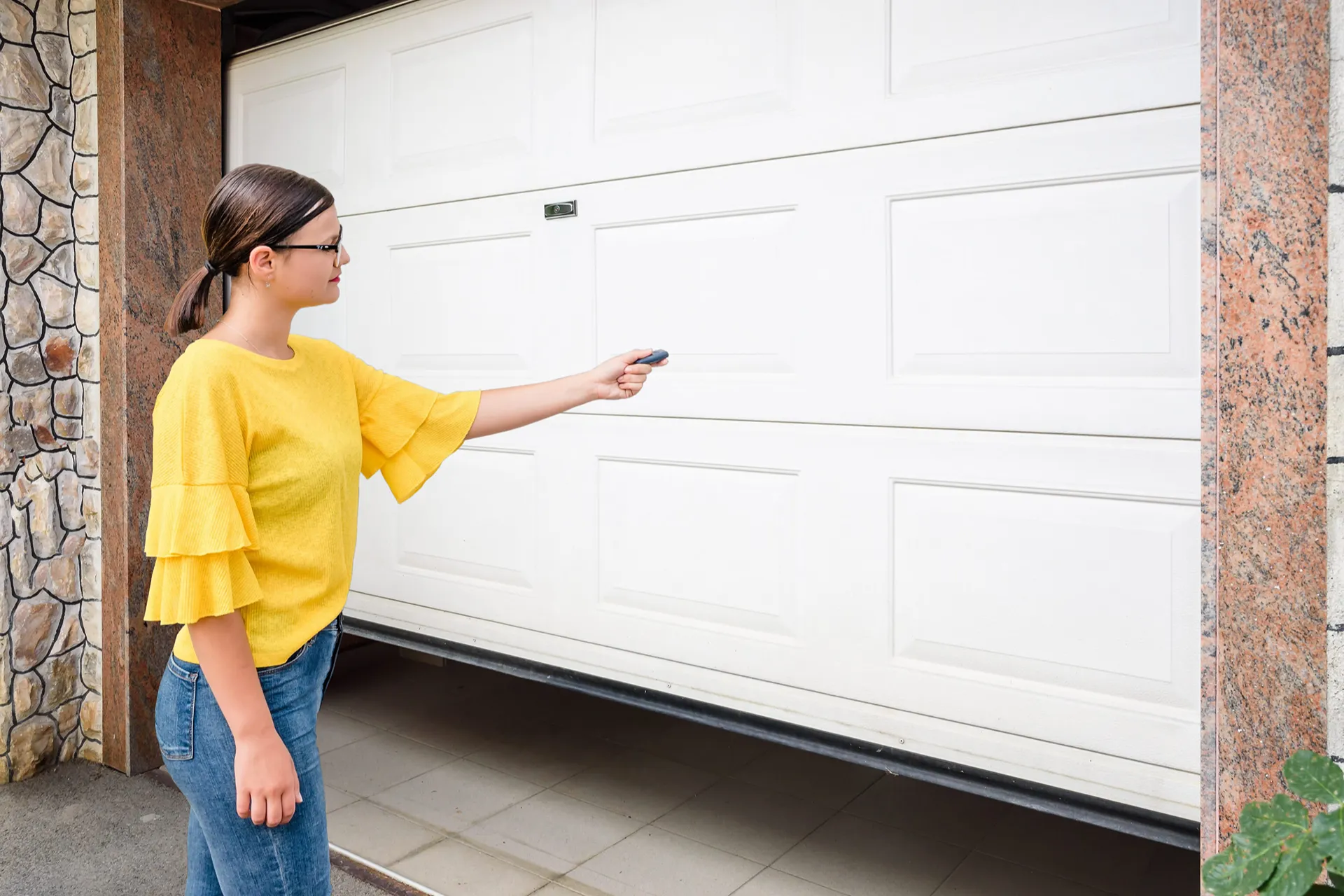
If your garage door works from the wall control but not from the remote or wireless keypad, the issue may be with the controls rather than the opener itself. To troubleshoot a LiftMaster garage door opener, start by replacing the batteries in the remote or keypad. Weak or dead batteries are one of the simplest issues to rule out.
Next, make sure the remote or keypad is properly programmed to communicate with the opener. If it has lost its connection, follow the instructions for your specific LiftMaster model to reprogram it. You can also try operating the remote from inside the garage to determine whether range or signal interference is causing the problem.
Other common problems with LiftMaster garage door openers can involve damaged remotes, worn keypad buttons, or Lock Mode being activated on the wall control. If multiple controls stop working at once, the opener itself may require further troubleshooting.
Check and Adjust the Safety Sensors
If your garage door starts to close but immediately reverses, the safety sensors may be the source of the problem. When troubleshooting a LiftMaster garage door opener, inspect the photo-eye sensors located near the bottom of each side of the garage door. These sensors must have a clear, properly aligned path to operate correctly.
Start by removing any boxes, tools, dirt, or other objects that could block the sensors. Gently clean the sensor lenses with a soft cloth, then check whether both sensors are securely mounted and facing each other. Depending on your LiftMaster model, indicator lights can help you identify alignment or connection issues.
Some LiftMaster garage door opener problems can also result from loose or damaged sensor wiring. Inspect visible wires for obvious damage, but avoid making electrical repairs unless you have the proper experience. If cleaning and aligning the sensors doesn’t resolve the issue, professional service may be necessary.
Troubleshoot Door Movement, Travel, and Force Issues
If your garage door stops before fully opening or closing, reverses unexpectedly, or moves unevenly, the issue may involve the door’s travel or force settings. As part of LiftMaster garage door opener troubleshooting, start by checking the tracks and surrounding area for dirt, debris, or other visible obstructions that could interfere with normal movement.
Next, watch and listen to the door as it operates. Grinding, jerking, or straining may point to a mechanical problem rather than an opener setting. Some LiftMaster models also allow you to adjust travel limits, which determine how far the door moves when opening and closing. Always consult the instructions for your specific model before making adjustments.
You can also disconnect the opener and carefully operate the door manually to check its movement. If the door feels unusually heavy, sticks, or won’t stay balanced, stop troubleshooting and contact a professional. Springs, cables, and other high-tension components should not be adjusted yourself.
Know When to Reset the Opener or Call a Professional
If basic troubleshooting hasn’t solved the issue, resetting your LiftMaster opener may be a useful next step. Depending on the model, a simple power cycle or manufacturer-recommended reset can sometimes clear minor electronic problems. Always check your owner’s manual before resetting the unit, as procedures can vary between models.
This LiftMaster garage door opener troubleshooting guide can help you identify common issues, but some repairs require professional attention. If the door is unusually heavy, makes persistent grinding noises, repeatedly reverses, or has damaged springs, cables, or other mechanical components, avoid attempting repairs yourself. These parts can be dangerous when handled without proper training.
For homeowners who need additional help, Hilton Head Garage Doors can inspect the system, identify the cause of the problem, and recommend the appropriate repair. Instead of letting an unreliable opener disrupt your routine, get experienced assistance to restore safe, dependable operation. Request service today to get started.