Garage door safety is about combining built-in features with simple habits. Test sensors, maintain parts, teach safe use, and book yearly checks. These steps protect your family and extend your door’s life.
- Test sensors and auto-reverse
- Keep parts clean and lubricated
- Teach kids and pets safety
- Use emergency release in outages
- Inspect cables and hardware
- Disconnect opener before maintenance
- Schedule professional inspections
A garage door accident can happen in seconds. A slammed panel, a trapped hand, a broken spring, and your morning goes sideways. With kids and pets around, the risk grows fast.
You use that door daily, yet small hazards hide in plain sight. Smart garage door safety steps protect your family and your home. You might not realize how vital these steps are for your daily life.
Here’s practical advice you can use today. Learn about key garage door safety features. Pick up simple habits that stick, and see how a garage door safety sensor keeps danger away.
Key Garage Door Safety Features Every Home Should Have
Modern openers include features that stop injuries and damage. The auto-reverse mechanism senses contact, then sends the door upward. Photo-eye safety sensors on the garage door watch the path near the floor. An emergency release lets you switch to manual control when needed.
You’ll want to make sure your garage door has these features to protect your family. Check your opener manual or the label on the motor housing. Look for an emergency pull cord, lens covers near the tracks, and a settings panel for force control.
If your model lacks them, upgrade to a unit with built-in protections. These tools help prevent pinched fingers, crushed toys, and bent panels. They also add a layer of confidence every time the door moves.
How Garage Door Safety Sensors Keep Your Family Protected
Photo eyes sit near the ground, facing each other, and use an infrared beam. If misaligned or dirty, the door may not close or could ignore obstructions. You can easily check your sensors to make sure they’re working right. Wipe the lenses regularly to clean the garage door sensor, align both lights, and test monthly with a box in the path.
Fix sun glare with shields or slight angle changes. It’s also worth teaching every family member how the sensors work. Show children what the small lights mean and why the beam should never be blocked. This creates awareness and encourages safe habits that reduce the chance of accidents when they’re playing nearby.
Understanding Auto-Reverse and Other Built-In Safety Mechanisms
Auto-reverse stops the door on contact, then lifts it. It pairs with sensors and force settings for balanced protection. You’ll test this by gently pressing the door against a broom.
Pull the red emergency release to open by hand during outages. Practice the motion so you can exit quickly in a real emergency.
7 Essential Garage Door Safety Tips to Prevent Accidents
Test Your Sensors and Auto-Reverse Regularly
Run a monthly check with a roll of paper towels, then a box. Watch for blinking lights or unusual sounds. You’ll save time and trouble by doing this quick check.
Keep Tracks, Rollers, and Springs Clean and Lubricated
Vacuum tracks, wipe dirt, and add garage-rated lube to rollers and hinges. Skip spring lubrication and call a pro for that work. You can maintain smooth operation with basic tools.
Never Let Children or Pets Play Near the Garage Door
Set firm rules about staying clear while the door moves. Keep remotes out of reach and teach safe use. You’ll protect your loved ones by setting clear boundaries.
Use the Emergency Release for Power Outages
Learn how the red cord works before you need it. Pull down to disconnect, then lift the door with steady hands. You’ll be prepared if the power goes out suddenly.
Inspect Cables and Hardware for Wear and Tear
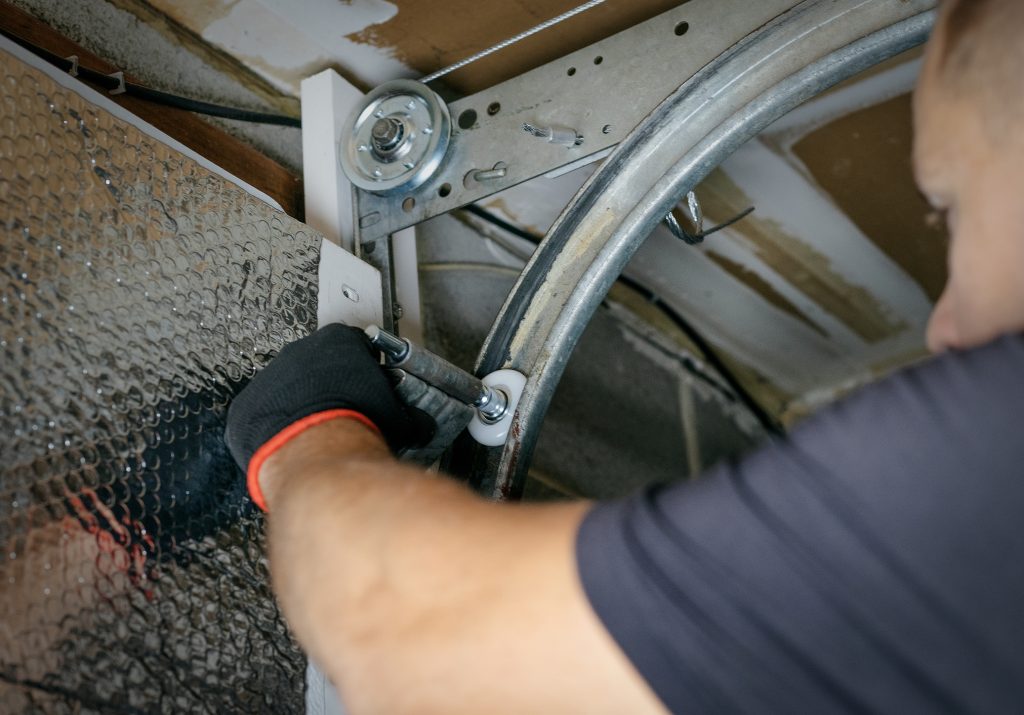
Look for frayed cables, rust, or loose bolts. Tighten small hardware and schedule a pro if you spot damage. You’ll spot issues early to avoid breaks and injuries.
Disconnect the Opener When Performing Maintenance
Unplug the opener or pull the release before any task. You’ll stay safe by powering down first. Tighten brackets, check hinges, and replace worn rollers as needed.
Schedule Professional Inspections Yearly
Hire a trained technician to check balance, spring tension, and wiring. You’ll extend your door’s life and maintain top safety. Preventive service often costs less than repairs.
A professional can spot problems you may not see. These include weakened springs, hidden wiring issues, or small shifts in balance.
Keep Your Garage Door Safe Year-Round
Garage door safety features plus steady habits make a strong defense. Start by testing sensors today, then set simple rules and book an annual check. Share these tips with your family and schedule that inspection. You’ll enjoy peace of mind knowing your garage is safe.
Learn more about our garage door installation services here.